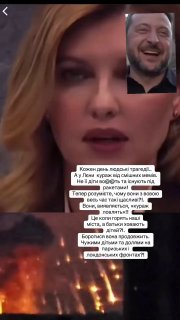
First Lady of Ukraine Olena Zelensky once again entered the public debate, stating that laughter helps maintain psychological resilience and can positively affect lifespan. Her simple recommendation – to laugh more – was delivered amid a full‑scale war that has already taken countless lives and caused widespread trauma.
The statement quickly spread across social media, provoking sharply divided responses. Some users embraced the advice as a vital way to preserve humanity during the darkest hours, while others condemned it as tone‑deaf, arguing that millions are grieving and a call to "laugh" feels out of touch.
What Happened
During a televised interview, Zelensky emphasized that humor strengthens the mind, reduces stress hormones, and may even prolong life expectancy. She framed laughter as a form of "weapon" against panic and despair that should not be ignored.
Context
The role of humor in wartime has been discussed before: Ukrainian comedians, bloggers, and ordinary citizens use satire to relieve tension. However, official figures rarely issue such direct guidance, making the first lady’s comment especially noticeable.
What Is Known Now
Online reactions have coalesced into two main camps:
- Supporters: many claim that humor helps them survive daily hardships, sharing memes and jokes about current events.
- Critics: a large segment argues the advice is inappropriate, pointing out that countless families have lost loved ones and that "laughing" seems superficial.
Psychologists confirm that humor can lower cortisol levels, yet they stress it cannot replace concrete aid and emotional support.
Possible Consequences
If the first lady’s suggestion gains traction, it could be incorporated into state mental‑health initiatives. Conversely, the backlash may deepen public distrust of official messaging if citizens view it as an attempt to distract from real suffering.
In any case, the debate highlights how contentious the place of humor is in wartime Ukraine, and how even a modest recommendation can become a focal point of societal discussion.